Setting Up a Classroom Book Club Meeting for Middle and High School Students
If you’ve already read my post Why I Don’t Do Literature Circles (and What I Do Instead), you know I’m a big believer in classroom book clubs — a structure that feels more authentic, more engaging, and far more effective for secondary readers. But once teachers decide to try book clubs, the next question is always the same:
What does a classroom book club meeting actually look like?
What do students do?
What do you discuss?
How do you keep it organized and meaningful?
This post breaks down the anatomy of a book club meeting in my middle and high school ELA classes. If you’re ready to build your own classroom book club routine, here’s my formula for a successful book club meeting each time.
1. Start With a Quick Summary (SWBST)
I like to open our classroom book club meeting with a short summarizing activity. Summarizing is foundational for reading comprehension, and it helps students re‑enter the text before we dive deeper. Summarizing is an especially good practice for struggling readers, but it can be an optional step if you have strong readers or need to save time.
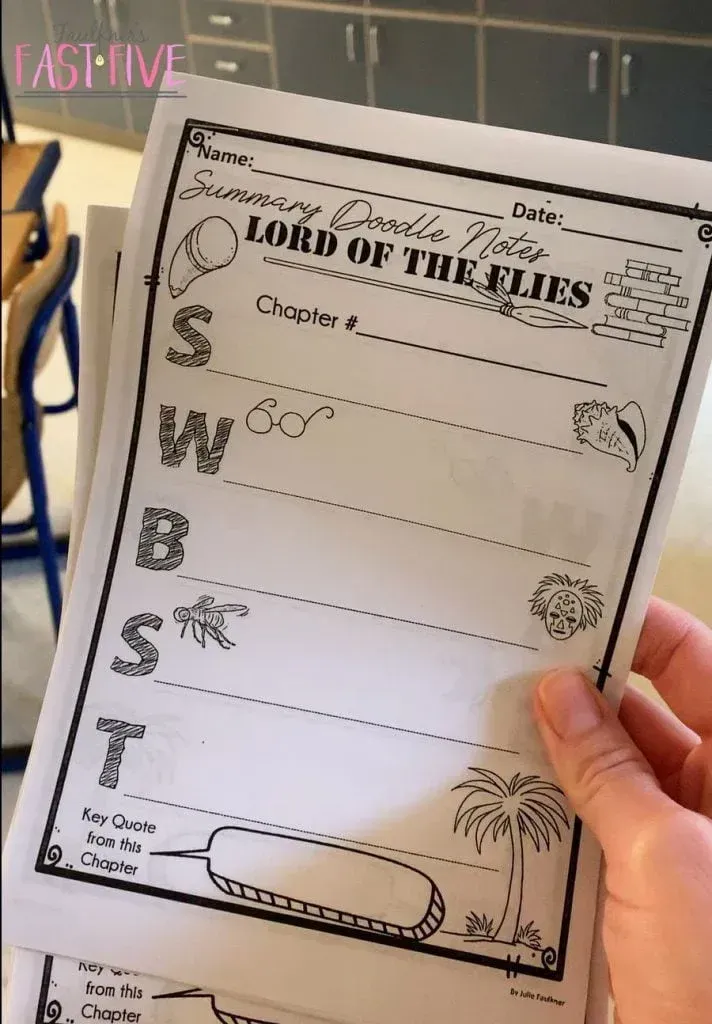
My favorite method is SWBST (Somebody–Wanted–But–So–Then). Students complete a quick SWBST summary as their bell ringer — usually 2–3 minutes to write and another 2–3 minutes to share. I type a few strong examples on the board as they talk, which reinforces the structure and gives everyone a model.
If you want ready‑to‑use materials,
my SWBST teaching pack includes "Twidder"‑style summaries and SWBST sketch notes you can use with any text.
2. Engage, Dissect, and Enjoy the Week’s Reading
This is the part of book club that feels magical — the moment when literature comes alive. I always begin with a bite‑sized, text‑specific activity tied to the pages students read that week. It sets the tone, builds excitement, and reminds students that reading can be creative, hands‑on, and fun.
A few examples:
- Lord of the Flies, Chapter 2: Students build a 3D map of the island using textual evidence. They reread, hunt for details, and collaborate — all while having fun. (Island music optional but recommended.)
- The Great Gatsby, Chapter 2: We close read the domestic‑violence scene, annotate reactions, build a KWL chart, and watch a powerful TED Talk. This is one of those moments where literature connects directly to real‑world issues.
- A paired poem (My "True-Blue American Poetry Single) with the first few parts of our novel study of I Will Always Write Back. It reinforces the theme of poverty v. privilege and the novel's rhetorical
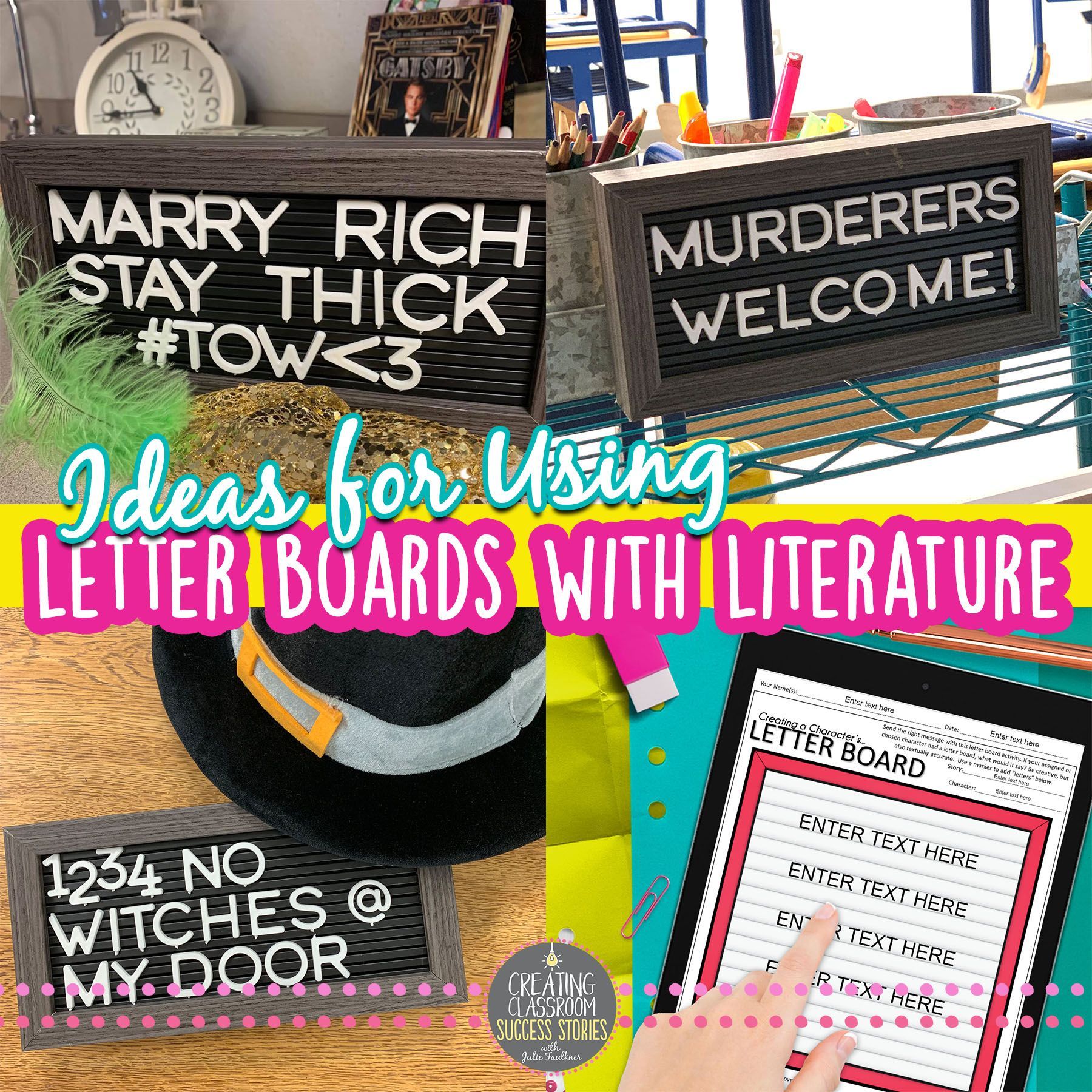
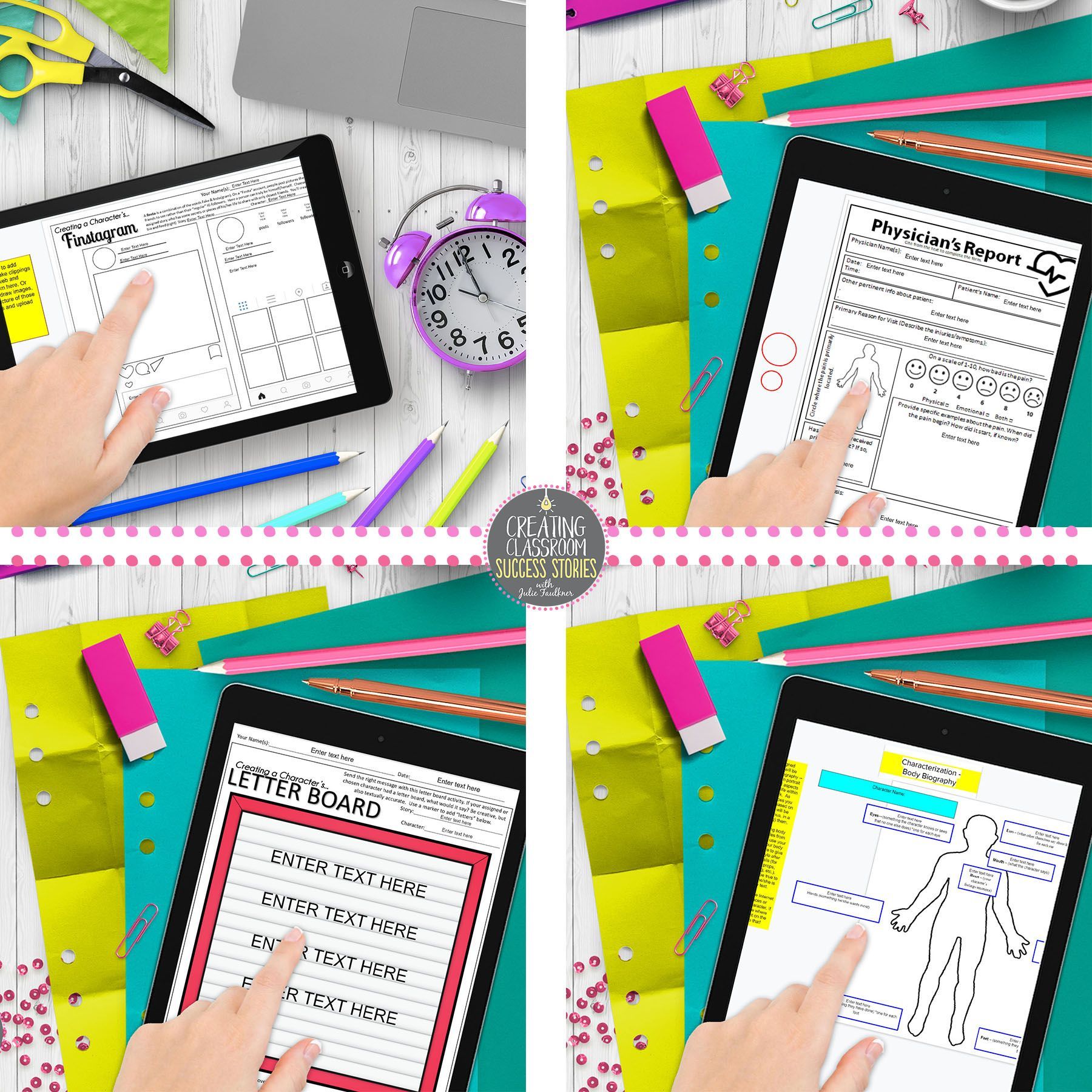
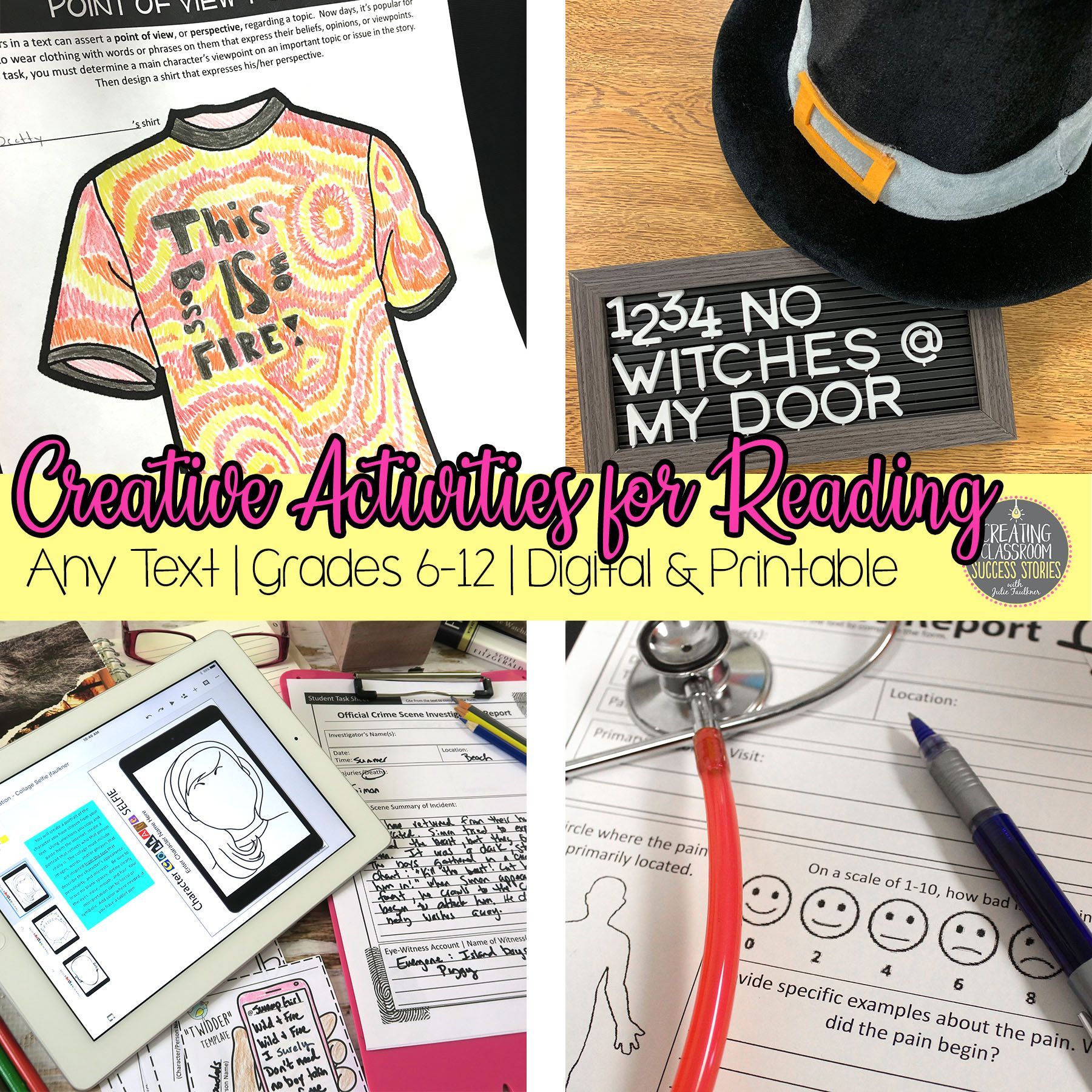
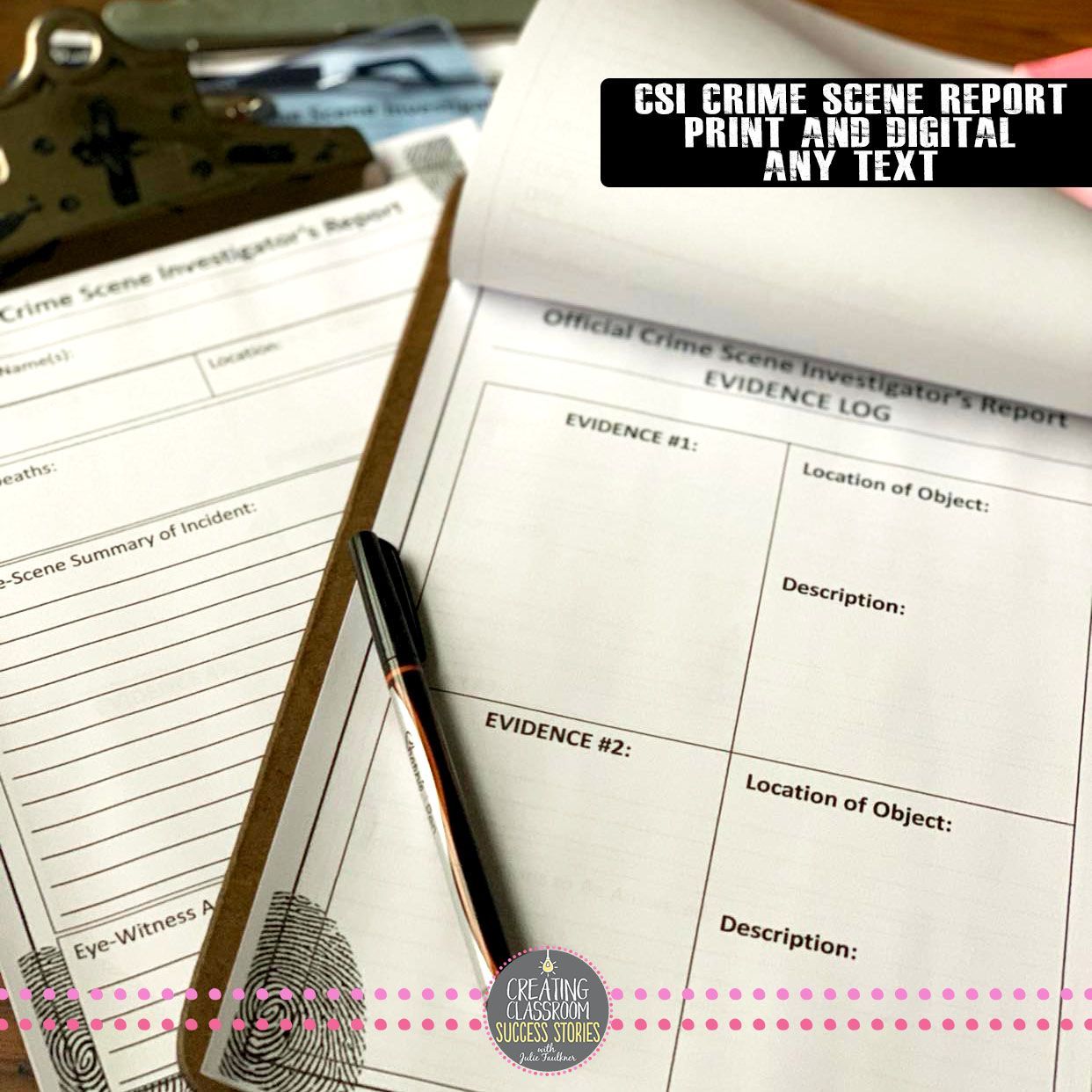
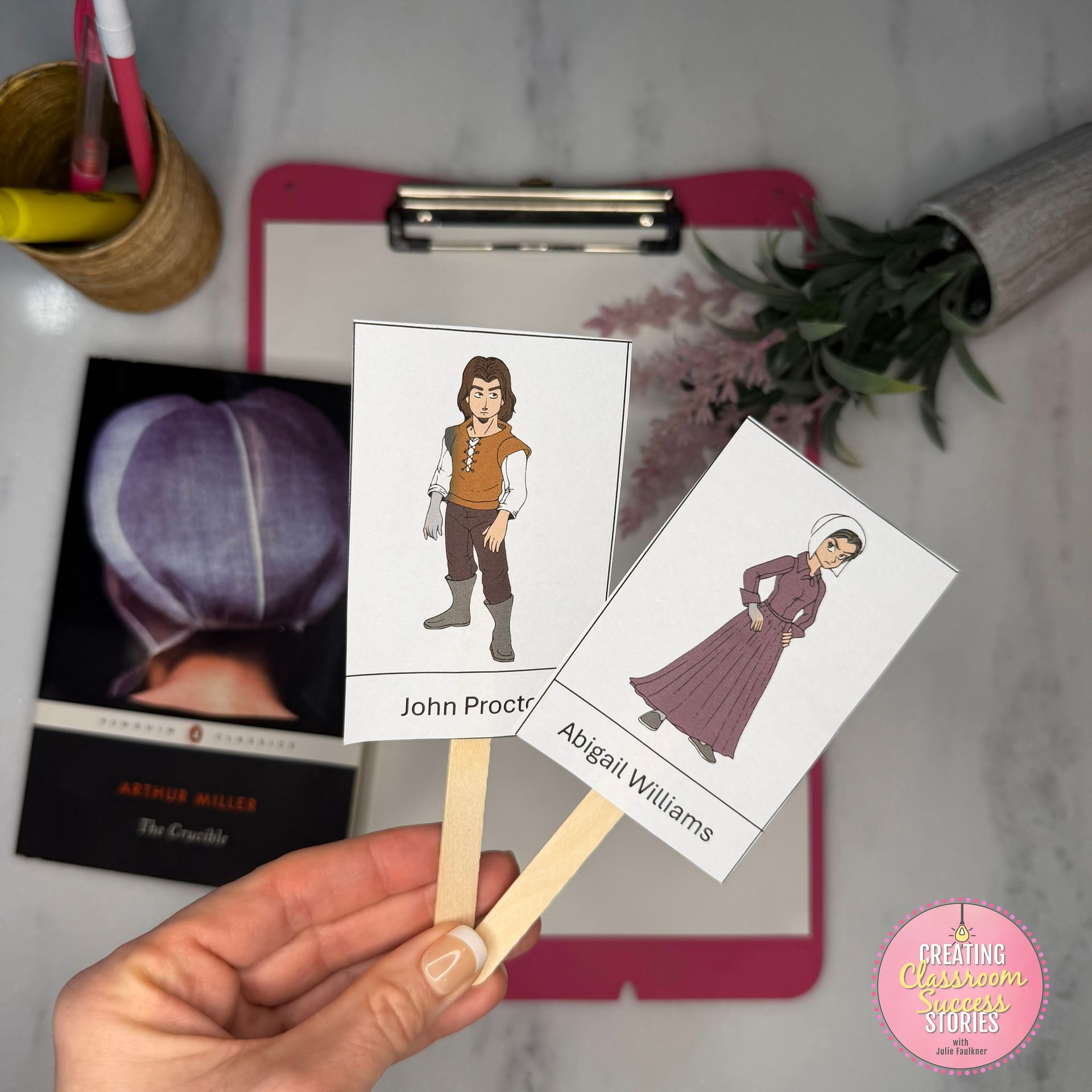
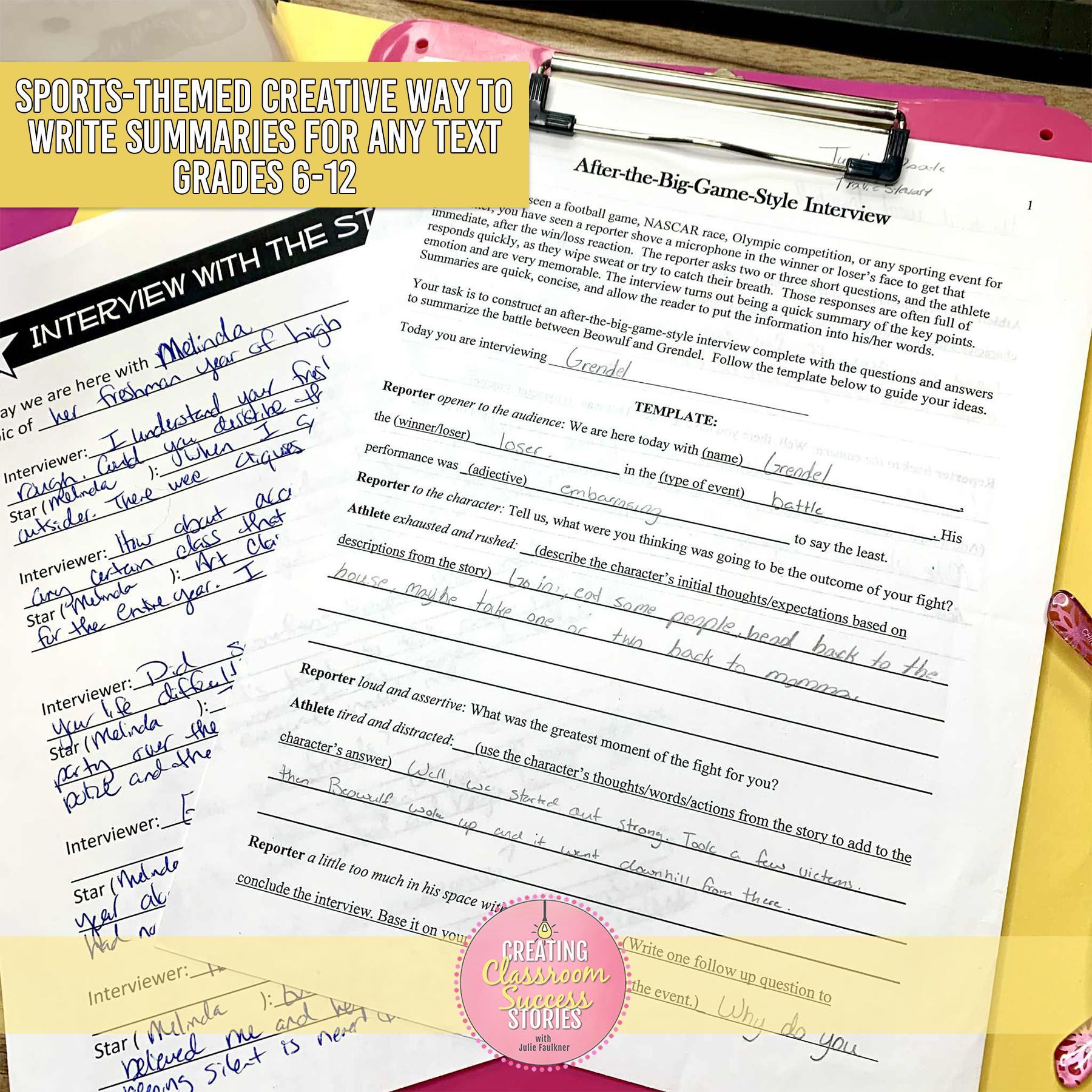
When I design novel units, I intentionally include creative tasks, paired texts, and close‑reading mini‑activities for each chapter or section. If I don’t have something specific planned, I pull from my Response to Literature: Making Literature Come Alive bundle — quick, purposeful activities like:
- T‑shirt designer
- Crime scene reporter
- Sports broadcaster
- QVC salesperson
- Twitter subtweets
- Character playlists
- Memes and cell‑phone conversations
They’re short, text‑based, and high‑impact — perfect for kicking off a book club meeting. What makes the activities even better is that they are AI-Proof! Just make your classroom tech-free during book clubs, and watch how creative and engaged your students can be!
3. Small-Group Discussion
Small‑group discussion is optional, but I’ve found it invaluable for every level of reader. My reluctant readers needed it to organize their thoughts before large group, and my advanced readers now ask for it because it helps them warm up and build confidence.
Several approaches I use often:
The 3–2–1 Method
Students jot:
- 3 questions
- 2 comments
- 1 connection or key quote
They discuss their lists in small groups for 5–10 minutes, digging back into the text to answer their own questions. Then they bring their notes to large group. I discuss this method more in-depth in this video.
Guided Focus Groups
Sometimes I want students to zero in on a specific literary element.
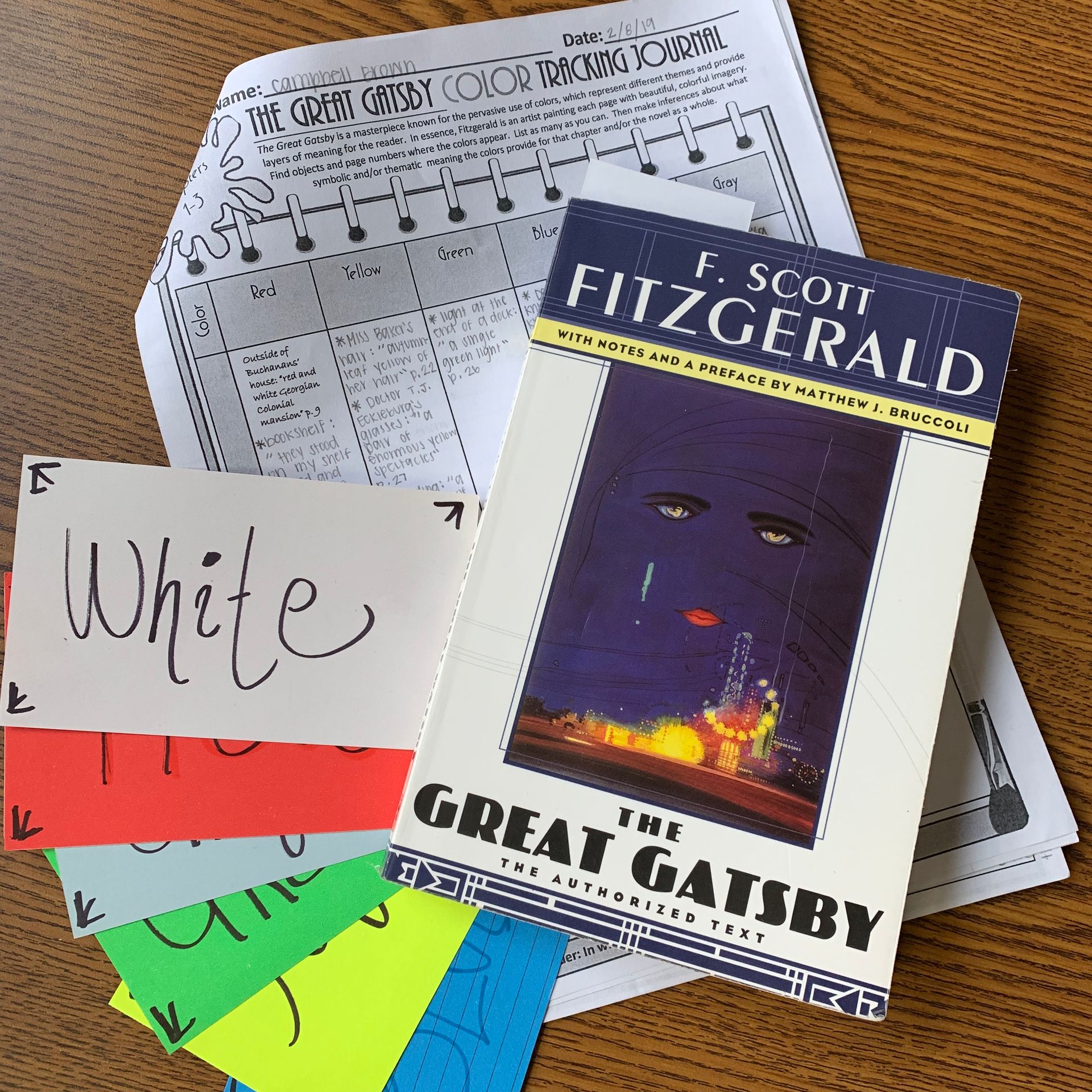
Example: After Gatsby chapters 1–3, students analyze their color symbolism tracker. Each group becomes the “expert” on one color and leads discussion for that symbol.
Task Cards or Literature Worksheets
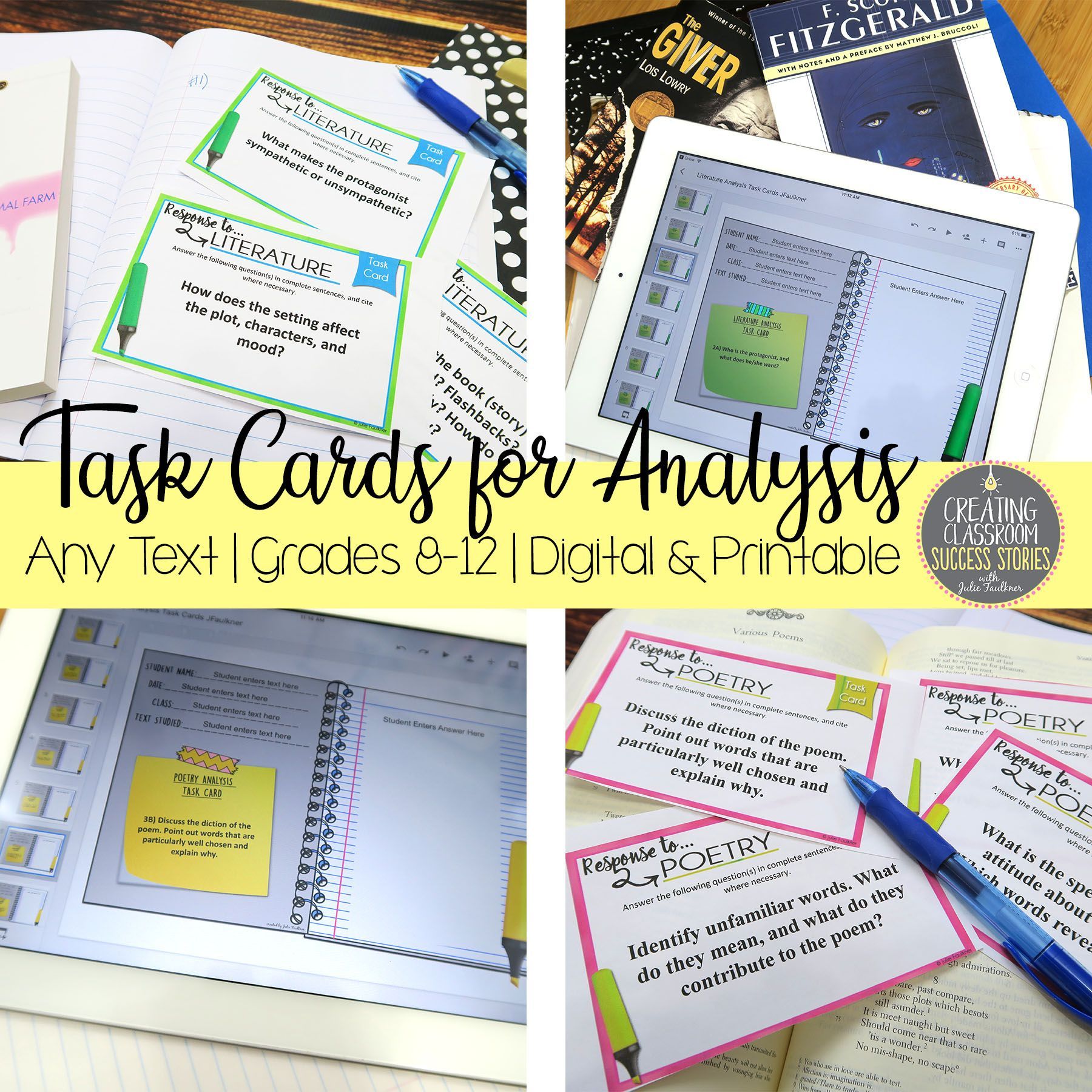
My literary analysis task cards (printable + digital) are perfect for differentiation and for guiding small‑group conversation. The literature worksheets in my Response to Literature pack also work well when you want students to notice something specific in that week’s reading.
4. Large-Group Discussion
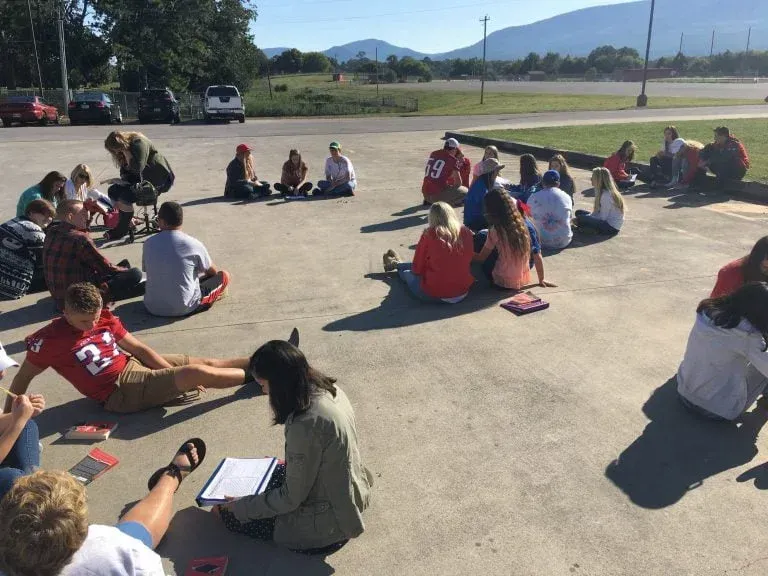
Large‑group discussion is where everything comes together. We sit in a circle when possible. Students start with questions from their 3–2–1 lists, and the conversation grows naturally from there. I model returning to the text, redirect when needed, and nudge them toward deeper analysis.
Depending on the day, large‑group discussion lasts anywhere from 15–30 minutes. Some classes skip small group entirely and spend most of the period in whole‑class conversation — especially on beautiful days when we take it outside.
If you have reluctant speakers or dominant voices, try:
- Requiring each student to contribute at least once
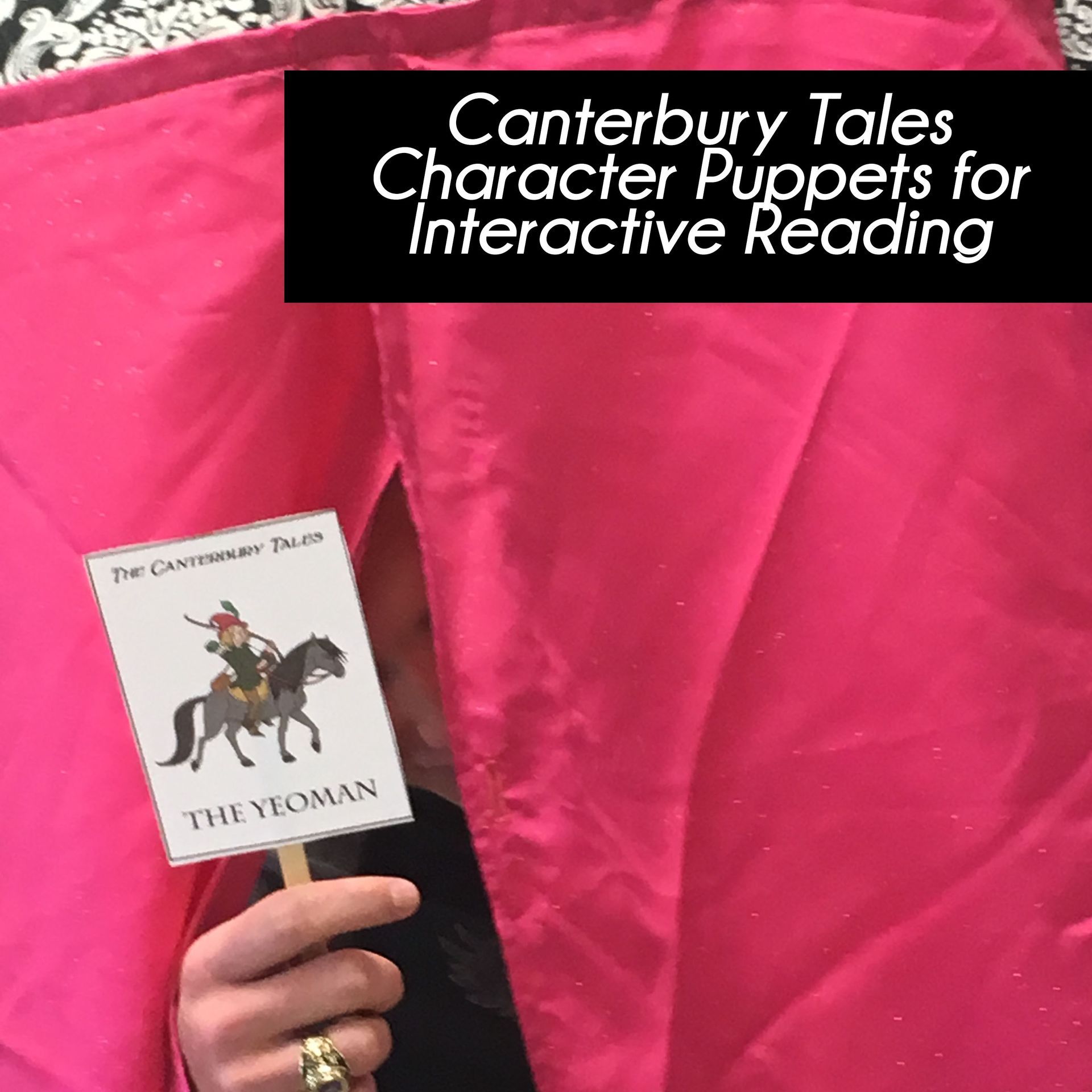
- Using emoji accountable‑talk puppets (amazing for younger students or struggling readers) I have a quick video explaining how I use the emoji puppets here: https://www.facebook.com/juliesclassroomstories/videos/1308406209253232/
- Setting clear norms for listening and responding
Also, this might be an unpopular opinion, but I don't do the official Socratic seminar-style discussions, and I don't score students while they talk either. I just model and encourage accountable talk. More on how I conduct discussions in
this blog post and
in this video.
5. Assessment
Because my students read outside of class, I give a short quiz at the end of each book club meeting. It’s quick, but it keeps them accountable. Depending on the length of the quiz, sometimes we do it that same day, and sometimes it's the next class period.
Students also complete reading guides (created from my novel unit guides) as they read independently. These packets replace traditional literature‑circle sheets — which can feel arbitrary or shallow — and instead guide students through:
- comprehension
- figurative language
- grammar
- journal prompts
- close‑reading tasks
- chapter‑specific analysis
In addition to, or in place of the reading guides, I also use online discussion board posts. Since that does open the door to cheating with AI, I am very intentional with my choice of topic. Usually, that topic is something the students will write about on test day, so if they've cheated on the DBQ, then they've also cheated themselves out of a better grade on the test. Get my online discussion board formula free, along with several other ready-to-go tools and tips for building a better online discussion board. Grab it here.
One additional tip: To stay on track, it helps to make a
slide deck for each meeting. One slide per segment (1–5), plus a daily objective. It keeps us on track, supports visual learners, and helps admin instantly see what we’re doing when they pop in.
Conclusion
Classroom book clubs have become one of my favorite ways to help middle and high school students read deeply, think critically, and genuinely enjoy literature. With a predictable five‑part structure—summaries, creative engagement, small‑group talk, whole‑class discussion, and quick accountability—you can build a routine that works with any novel and any group of readers. If you want a quick walkthrough of how all these pieces fit together, you can click the video below to watch a short summary of this post.
Love this content?
Sign up for my email newsletter with more tips, ideas, success stories, and freebies!